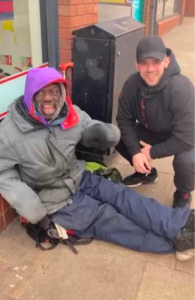
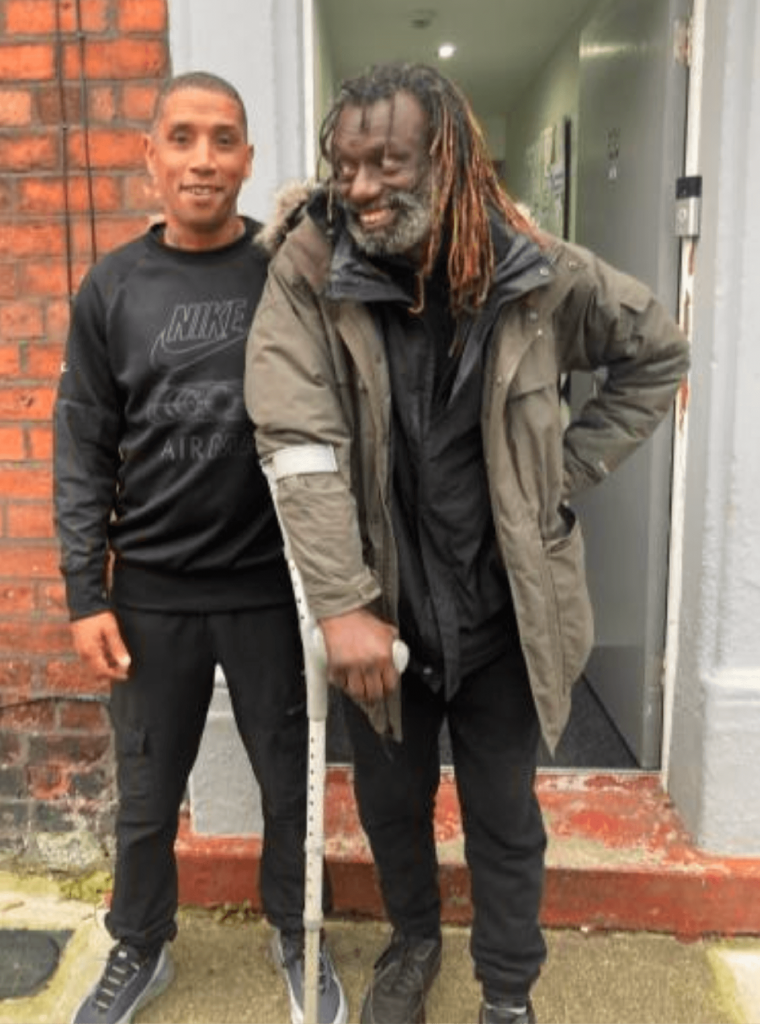
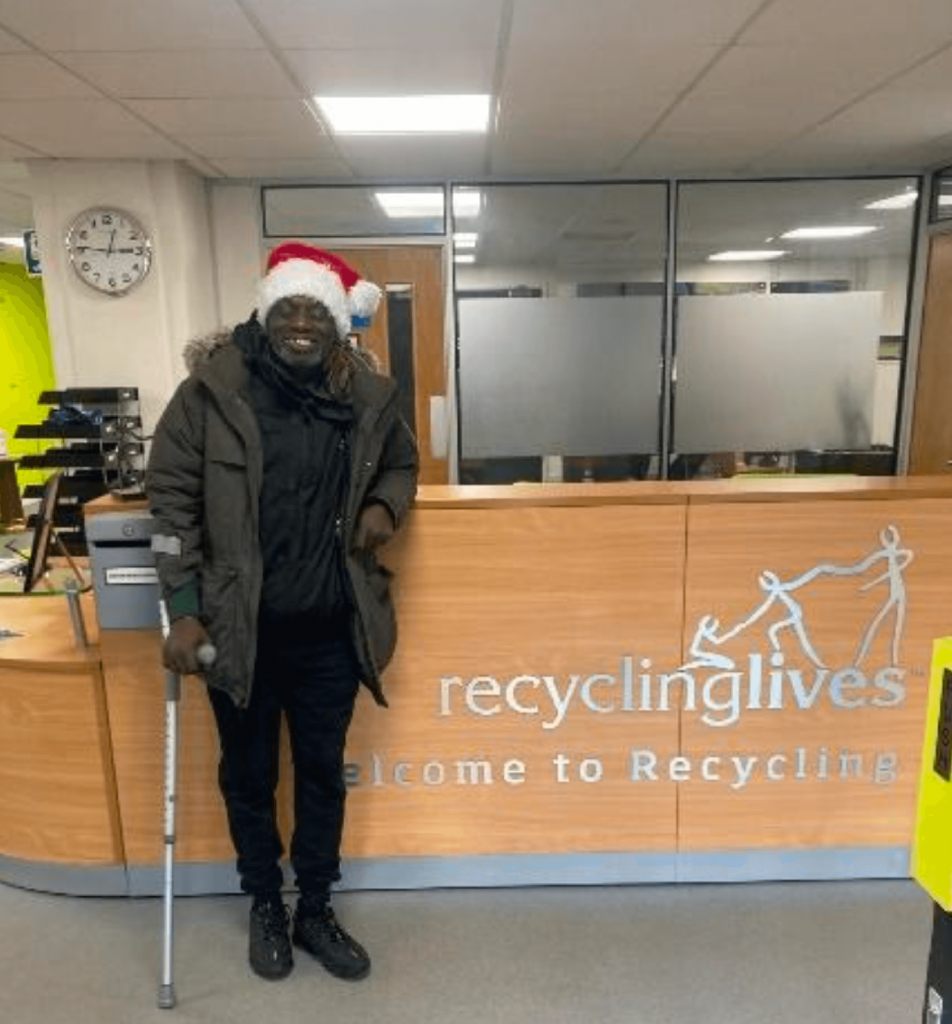
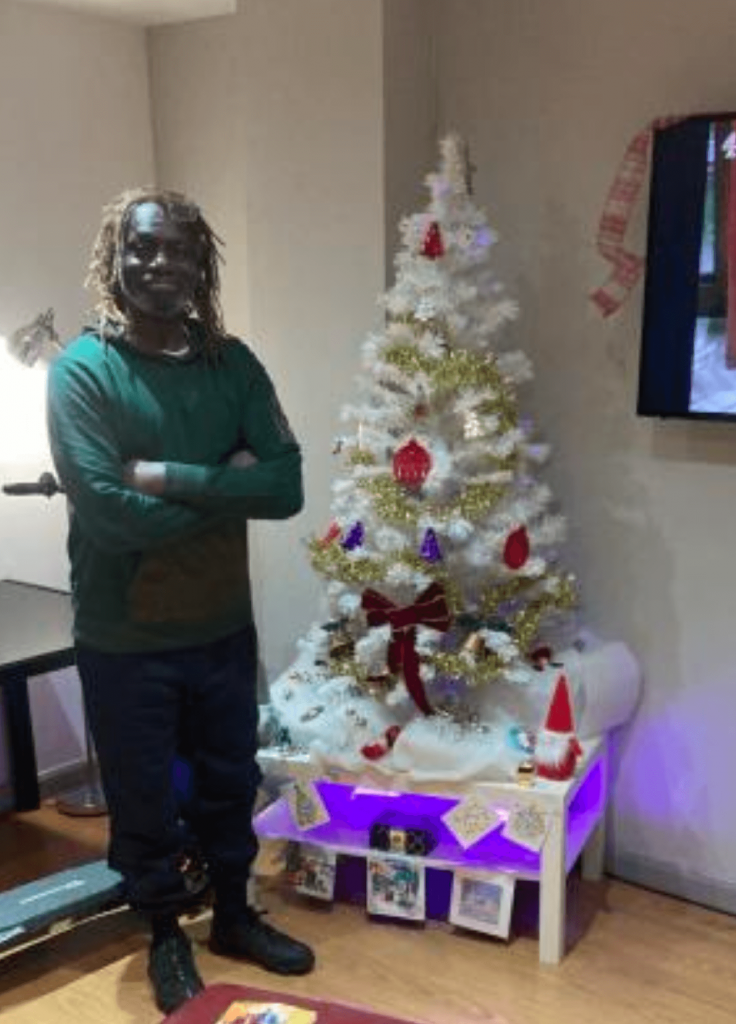
 RVC grew up with his brother and sister and their parents in their family home. At the early age of four, RVC recollects that there was a terrible accident that occurred, which resulted in him spending a lot of his younger years in and out of hospital. RVC lived in a three storey building and the children would often climb out of the landing windows, despite being told not to and against all warning, on this particular day as RVC was climbing out of the window he slipped and fell, what he stated was a 30ft drop onto a crate of milk bottles. He stated that he remembered a lot of screaming and a lot of blood but the next thing he remembers was waking up in hospital the day that the first man landed on the moon. He stated that after this accident people noticed he had become quite clumsy and was forever backwards and forwards to the hospital for falls and bumps to the head.
RVC stated that the family moved around a lot from property to property after this incident. RVC found school to be a struggle, a reflection of the times when discrimination was still very much rife. He therefore found school to be additionally challenging. Up until the age of thirteen the family home had been fairly stable and consistent with both his parents always working and holding down jobs, but then his parents separated and he stated that he went ‘off the rails’. He moved out of his home and spent time moving around friend’s houses, never really having stability and security that a home provides. He also stated that at this point he began using substances, mostly just cannabis. He stated ‘back then drugs were readily available’ and even though his dad had warned him of the dangers and consequences he did not listen. RVC had various jobs at this point, he clearly recalls working with the local milkman, but also around the age of fifteen he began committing small crimes such as burglary and theft.
RVC found and held down other jobs including painting and decorating. He stated that the more money he was making the more drugs he was able to ‘get a hold of’ and therefore his substance use escalated. He spent a lot of time partying. His now chaotic behaviours led to further criminal convictions. At the age of twenty-one he entered into a relationship with a lady who already had a child and they went onto have his first child together, he reports it was not the healthiest relationship and they both spent a lot of time smoking cannabis with each other. There were a number of issues with an ex-partner of hers and eventually the relationship broke down. By the age of twenty-two he had begun experimenting with heroin.
RVC was diagnosed at the age of twenty-five with schizophrenia, quite late on, but he states that looking back he can see now that the signs were there a lot earlier. He stated that he later found out that it was hereditary and that one of his uncles had suffered with it. Around the time, or just before the diagnosis, RVC had entered into another relationship with another woman who had a child from a previous relationship and they went onto have another child together. He stated that the relationship again was not a healthy one and that his partner was not a pleasant person to be around leading to another relationship breakdown. His schizophrenia started to worsen and he stated that at one point he was ‘running round Manchester armed’, convinced that there were people after him. At this time he wasn’t taking his medication as he had been directed to. The effects of unmanageability and the impact that this had on sustaining a structure or routine were starting to become apparent.
When he was able to gain some stability, he found himself in another relationship. RVC stated that he struck up a relationship with a friend of his sisters and they went onto have four children together. It wasn’t long until RVC’s substance related behaviour caught up with him. He stated that he owed money to a loan shark, but all the while continued to party. As a result of his partying ways, he was unfaithful to his partner and once again he found that another relationship had broken down. He felt a lot of remorse around this as he stated he genuinely cared for her. This third breakdown began to show the difficulties that RVC was facing in identifying healthy and unhealthy behaviours within a relationship and the impact that relationships were having on his own behaviours.
RVC suffered two traumas in quick succession of each other. His ex-partner previous passed away and then within a few weeks he lost his youngest daughter. This is trauma that RVC states he has never addressed or really allowed himself to process. After this, RVC stated that he ‘lost his head’ and this was when, nine years ago, he found himself in Preston with nothing but a tent. He then spent a period of time street homeless. He made a self referral to Srettle’s, a bed sit, where he stayed for a short period. He had also had periods of engagement with the Foxton centre and in 2019 they were able to support him to get housing through the council, however, RVC stated that the environment was ‘horrible’. It was not a safe place to live and he felt that at the time he was not getting the support that he needed in order to address the issues he was facing. RVC was frustrated and so went back to what he had come to know – the streets.
Prior to being housed by Community Interventions CIC, RVC had engaged with service users within our services, out in the town centre and he was well known to a number of them. At the time RVC did not feel ready to commit to recovery. However, this changed at the end of October 2024, where he was supported by the council and a support worker at Red Rose Recovery to make a referral over to Community Interventions. After going through the referral process, RVC was offered a place in our supported housing.
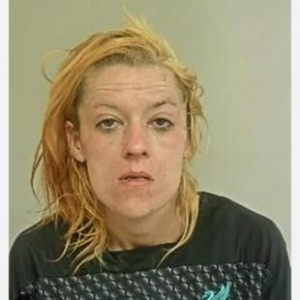 SW grew up in a single parent household. She was the youngest of her siblings and had a different father. She felt that this made her different from the others, like she was the odd one out. She stated that her mother always told her she was just like her dad, which she knew was not a compliment as she knew that her mum did not like him. She had even gone as far to tell SW that she was a mistake. SW remembers feeling unwanted, which did little for her confidence and self esteem.
During her school years she reports that she was always getting in
trouble for either being distracted or distracting others. It was only three years ago, that she actually found out that she has ADHD, which at the time of her schooling would not have been acknowledged. She was simply labelled as being ‘naughty’. She now believes that ADHD, although at the time she would not have known it, impacted on her schooling. SW left school with some GCSE’s but she stated that they were mostly just passes.
SW remembers that her first real interaction with substances was around the age of 11 years old when she started smoking cannabis and by the age of 14 years she stated she had tried everything that was readily available to her. At the time she was ‘hanging’ around with people older than her that had access to a variety of drugs. SW recalls that the first time she tried crack cocaine was by accident. She was ‘hanging out’ with a group of friends and had been passed what she thought was a ‘joint’, but one of the people she was with warned her that it was actually cocaine. She continued to smoke it anyway. SW recalls that the first time she tried heroin was whilst she was babysitting for a lady, who she later found out was a prostitute. The lady returned back to her property with an unknown male and they were injecting with needles. SW had been drinking and asked if she could try it. Initially she was told no, but insistence led to the man helping her to inject. She stated that she was violently sick afterwards and did not touch heroin again until she was 18 years old.
At the age of 17years she suffered a still birth, she stated that after this she really went off the rails. She spent most of her time at raves and this is when she started to become addicted to heroin. At the age of 19years she had her first daughter (2005). She did not stay with the father as she stated he was “not a nice guy”. She was able to stop the drugs whilst she was pregnant but when her daughter was around two weeks old, taking heroin became a real habit. This is when she got involved in shoplifting and prostitution to support her habit. SW stated that she was raped but never reported this as she felt at the time the police would judge her given her background and that no one would believe her.
SW found herself in an unhealthy relationship with a man who was controlling, violent and possessive. In 2009 she had a son with him. She stated that she was in and out of the relationship, every time she left him she found herself going back to him a short while after.
In 2011 she spent some time in a domestic violence refuge, but straight after leaving she went back to her partner. They then went onto have a daughter in 2014. SW was still in addiction when she was born, this at the time went unnoticed by social services who she was able to convince she was doing ok.
In 2018 SW spent 6 weeks in jail. Upon release she attended ‘Bridging the Gap’ in Wigan, where she obtained a qualification in Level 2 Social Care. She even got a job in the detox centre. SW was still using substances but was able to mask her drug use whilst at work and this went undetected. However, the centre closed down a little while later, which meant she lost her job and this triggered her addiction to spiral once more. She then had a period of homelessness, where she was living in a tent in the woods. She was offered a place in a Womens only accommodation by the Foxton centre. She was not there long before she was asked to leave, after her partner continued to turn up at the property causing problems, even though he knew not to be there. SW and her partner were able to acquire a flat through the council at the end of 2019. Domestic violence continued to be present in their relationship and by this time SW had lost everything, including her children. SW made the decision to finally walk out on the relationship.
Having left one unhealthy relationship, she walked straight into another one. She found herself involved with a local drug dealer. SW proactively sought to sell drugs with this man. She stated it didn’t come without its dangers. She stated that she had been stabbed and had also had a gun held to her head. She also admitted that she would carry a weapon with her when making sales for fear of being attacked. There was always the continuous threat that their door would be ‘kicked in’, either by other rival dealers or the police. Eventually her activities caught up with her and in 2021 she was sentenced to 8years imprisonment for conspiracy to supply.
SW stated that whilst in prison she worked her way up the prison, through ‘good behaviour’, which meant she would not need to be escorted by officers on or around the wing. She stated, this however, then allowed her to get involved with the drug smuggling within the prison. She would take packages to other inmates and her payment would be in the form of drugs. She had 60 days added to her sentence as a result of her behaviour in prison. SW was released after serving 3 1⁄2 years of her 8year sentence.
SW stated that she had every intention of going back to selling drugs once she was released from prison, however, after her first benefit payment she spent the majority of this on smoking drugs. She stated that within a week she found herself back on her knees with no money, no home and no food. SW stated that when she reported to probation, she told her officer the truth. She remembers her probation officer stating that she could work with the truth and quickly enrolled her onto some counselling. A referral to Community Interventions CIC Supported Housing was made shortly after.